

Schools

Helping pupils thrive
We know that teamwork makes all the difference! By working closely with pupils, their families, and school staff, we can reduce the impact of speech, language, literacy and communication difficulties on daily life and help pupils shine. With the right support at the right time, they can reach their full potential and feel confident every step of the way.

Support across all school stages
Early Years
Preschool is often the first time speech and communication difficulties come to light. Early identification and intervention can be key in making a big difference for the future. If help isn’t available early on, the gap between children and their peers can grow quickly. That’s why early intervention is so important.

Primary School

Structured learning in primary school only highlights speech, language and communication challenges. It is also when literacy difficulties reveal themselves. Without timely intervention, pupils can quickly fall behind. Intervention can close the gap and build confidence.
Secondary School
This is a crucial time to provide the right support, helping young people stay on track, develop their social skills and build the skills they need for the future. We work on two levels – building the underlying skills or filling in the gaps, and on a functional level according to the demands of the pupil’s current situation.


When to refer a pupil
Consider referring if a pupil is:
difficult to understand
not following the content during group activities or carpet time
struggling with phonics compared to their peers
finding it difficult to follow instructions
not producing sentences and stories like others in their class
struggling to put their ideas down on paper
performing well in spelling tests but not applying this to writing
having difficulty with reading fluency or comprehension compared to others in the class
finding it hard to make and maintain friends or communicate with others in class or on the playground
spelling in a way that suggests their speech production is affecting their spelling
What we offer schools
Free screening for pupils that teachers or SENDCOs are concerned about
Initial consultations, assessments, and detailed reports
Collaboration with parents, staff, and other professionals
Partnering with NHS therapists and local authority professionals
INTERVENTION:
Advice, personalised targets, and support programmes
Support with Individual Support Plans (ISPs), Education and Health Care Plan (EHCP) applications and Annual Reviews
One-to-one therapy tailored to each pupil’s needs, either in school or externally
Bespoke group sessions (e.g. phonology, social communication, working memory)
Ongoing review and monitoring
Consolidation sessions to reinforce and generalise the skills targeted
Zoom consultations for families and professionals
TRAINING:
Bespoke INSET training and workshops for staff
Informal training for parents, carers, and teaching assistants
The Assessment Process
Step 2
Step 1
The Teacher or SENDCO contacts Kid Speech London.
The Teacher informs the SENDCO about concerns.
Step 4
Step 3
We provide feedback and recommend next steps.
The parent gives consent for a free (10-15 minutes) screening of their child’s abilities.

If a full assessment is needed, we will:
Collect case history information from the parents
Carry out formal and informal assessments
Observe in school if appropriate
Have discussions with teachers and other professionals
Share outcomes and recommendations in a feedback session with school and parents.

Therapy and Support
If intervention is needed, we provide:
Direct weekly or fortnightly support
Regular and prompt feedback about the child’s progress towards targets set each week
Class adaptation advice
Key-worker led consolidation sessions
Support to Teaching Assistants
Attendance at multi-disciplinary meetings and reviews
We will be there to support the pupils and teachers at your school to allow each child to flourish!
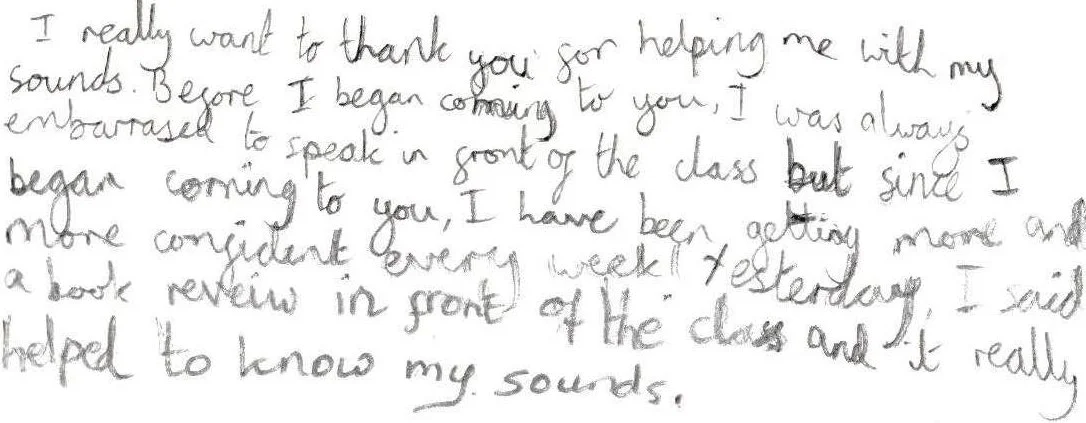
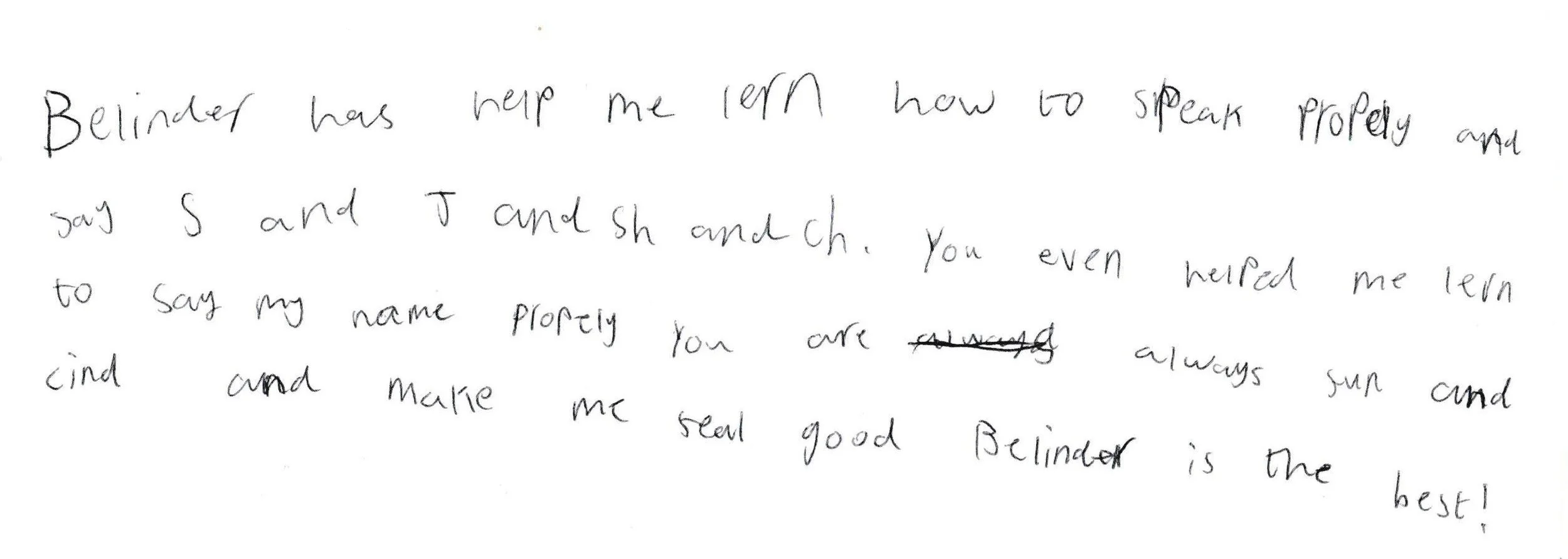
Here’s what our school colleagues are saying about us.


Take the first step
If you are worried about a pupil’s speech, language, social communication or literacy skills please Contact Us.